
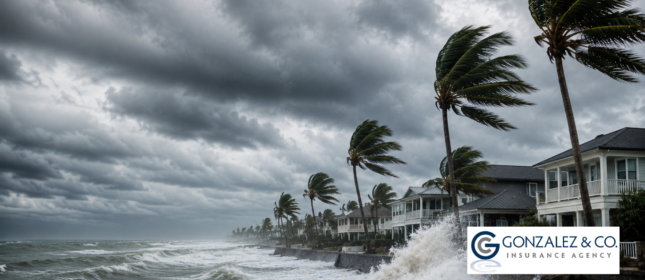
The first half of 2026 already delivered 12 billion-dollar weather and climate disasters across the United States. These events caused at least $31.9 billion in damages and 183 fatalities. Severe storms led the list. Two winter storms hit the central and eastern states in January and February. A record freeze damaged Florida citrus crops. Heavy rain flooded Hawaii in March. Eight more billion-dollar severe storms, complete with tornado outbreaks, struck the central US from March through June. Property and power lines took the brunt.
Hurricane season still has months left. Losses from these storms already reshape insurance costs for property owners in every state. You feel the effect even if no storm touched your street.
How This Year’s Storm Losses Push Up Premiums Far From the Damage
Insurers pay claims from the places hit hardest. They then raise rates to rebuild their capital. This process does not stop at the state border.
Take Florida or Texas after a major hurricane. Claims pour in for roofs, walls, and contents. The insurer’s loss ratio climbs. Actuaries recalculate expected losses for the next year. They apply higher rates across the entire book of business. A homeowner in Ohio or Colorado sees the same percentage increase on the renewal notice.
Industry data shows this pattern after every active season. Carriers spread the cost because they write policies nationwide. A single company might cover homes in 20 states. Losses in three coastal states force rate filings in all 20. Regulators in inland states approve the hikes because the math shows higher overall risk.
Your premium rises because the pool of money that pays claims now sits thinner. The storms of early 2026 already removed billions from that pool. Later hurricanes will remove more. Expect the effect on your next bill, whether you live near the Gulf or in the Midwest.
Why Reinsurance Costs Reach Every Policyholder
Primary insurers buy reinsurance to limit their own exposure. Reinsurers cover the biggest layers of loss after a catastrophe. When storms pile up, reinsurance prices climb.
Reinsurers faced heavy claims from the 12 disasters already recorded. They respond by charging primary carriers more for the next contracts. Those contracts renew each year, often on January 1 or July 1. Higher reinsurance costs become part of the expense load that primary insurers pass to you.
This transfer happens for every policy. Coastal homes pay more because their risk is higher. Inland homes pay more because the reinsurance cost spreads across the whole portfolio. A carrier that buys $500 million in reinsurance and sees the price rise 20% must recover that extra $100 million from premiums. It does so by increasing rates on all property policies.
You renew your homeowners policy, and the carrier has already paid the new reinsurance bill. That cost sits inside your premium. The connection is direct. More storms mean costlier reinsurance. Costlier reinsurance means higher rates for you.
What Demand Surge Pricing Does to Repair Costs
After a major storm, demand for labor and materials spikes. Contractors, roofers, and suppliers raise prices. This is demand surge.
A new roof that costs $12,000 before the storm can cost $18,000 or more in the weeks after. Plywood, shingles, and generators leave shelves fast. Labor rates climb because crews travel from other states. Your insurance claim pays based on the higher post-storm prices.
Insurers know this pattern. They build demand surge factors into their loss estimates. Those higher expected claims feed into rate calculations. You pay more on renewal because the carrier anticipates that the next storm will produce inflated repair bills.
Example: A Category 3 hurricane hits the Gulf Coast. In the next 90 days, roofing material prices rise 40% in the affected region. Labor rates rise 25%. Claims adjusters document the new costs. The total paid losses exceed the pre-storm model. The next rate filing includes an extra loading for demand surge. That loading appears on policies hundreds of miles inland.
You face two hits. First, higher premiums now. Second, higher out-of-pocket costs if a storm damages your property later and repair prices have already surged.
Steps Property Owners Can Take Now
Hurricane season peaks in September and October. You still have time to act before renewal notices arrive.
- Review your current policy. Confirm the dwelling limit matches replacement cost, not market value. Check the deductible. A percentage deductible on a $400,000 home can mean $8,000 or more out of pocket. Decide if you want to raise the deductible to lower the premium or keep it lower to limit your risk.
- Document your property. Take dated photos of the roof, exterior, and interior. Inventory high-value items. Store the records offline and in the cloud. This evidence speeds claims and reduces disputes later.
- Improve your home’s resilience. Secure loose outdoor items. Clear gutters and downspouts. Trim trees near the house. Install hurricane straps if you live in a high-risk zone. Some carriers offer credits for these upgrades. Ask your agent.
- Shop the market early. Do not wait until 30 days before renewal. Get quotes from at least three carriers. Compare coverage limits, deductibles, and exclusions. Look at the company’s financial strength rating. A cheaper premium from a weaker carrier can leave you exposed after a large event.
- Ask about mitigation discounts. Many states require carriers to offer credits for impact-resistant roofs, storm shutters, or fortified construction. Gather the certificates and submit them before renewal.
- Review your liability and additional living expense limits. A long repair after a storm can force you to rent elsewhere. Confirm the policy pays enough for temporary housing.
- Keep records of any prior claims. Multiple claims in a short period can trigger non-renewal. Address small issues now so they do not become claims later.
These steps give you control. You reduce the chance of a surprise rate jump or coverage gap.
The storms of 2026 already show what comes next. Premiums rise across the country. Reinsurance costs land on every policy. Repair prices climb after the next major event. Property owners who review coverage, document their homes, and shop early face fewer shocks at renewal time.
Gonzalez Insurance works with property owners across the USA to review policies and secure the right coverage before the next storm hits. Reach out today to check your options and protect your renewal.
FAQs
- Does my premium rise even if no storm hit my area?
Yes. Carriers spread losses from hard-hit states across their full book of business. Your rate climbs because the overall cost of claims went up.
- Why do reinsurance costs affect my homeowners policy?
Primary insurers buy reinsurance to cover large catastrophe layers. When those contracts cost more, the extra expense moves into the premiums every policyholder pays.
- What is demand surge and how does it hit my claim?
After a major storm, labor and materials prices jump fast. Your claim pays at the higher post-storm rates, and insurers build those higher expected costs into future premiums.
- What steps should I take before hurricane season peaks?
Review your dwelling limit and deductible. Document your property with photos. Ask about mitigation credits and get quotes early so you avoid last-minute rate surprises.
- How can Gonzalez Insurance help me right now?
Gonzalez Insurance reviews your current policy, explains your options, and helps you secure solid coverage before the next renewal arrives. Contact us to get started.